Japan in 2026 May Feel Less Crowded — and More Enjoyable
Vocabulary
Article
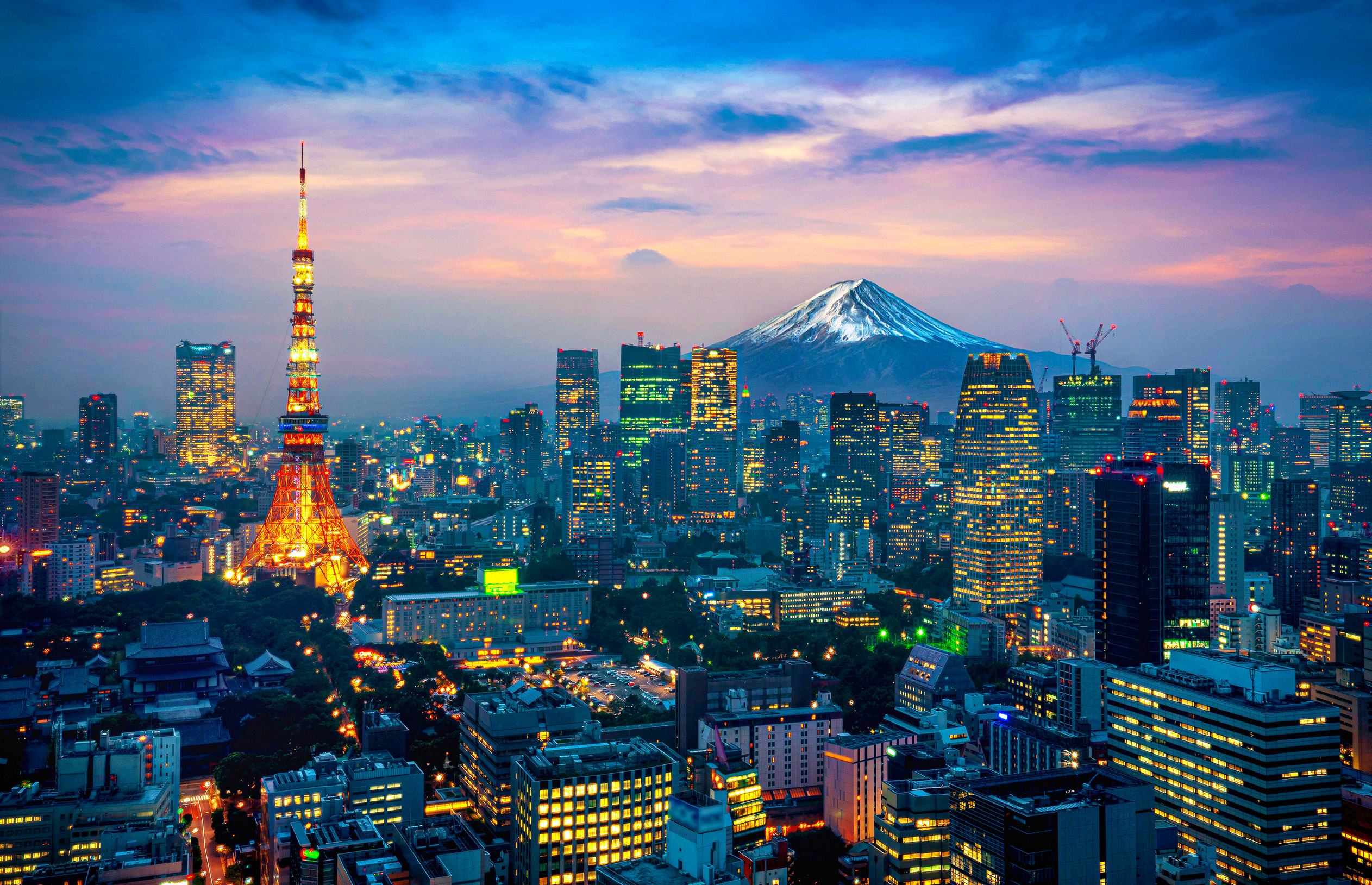
Read the article aloud on your own or repeat each paragraph after your tutor.Japan in 2026 May Feel Less Crowded — and More EnjoyableImagine arriving in Tokyo and sensing a quieter rhythm. The trains still arrive on time, the city’s neon lights still shine late into the night, and cafés fill with everyday sounds. But moving through the city feels easier. Famous crossings aren’t as packed. At temples, there’s time to pause, not just take photos.
And yet, Japan feels just as vibrant — maybe more enjoyable. That’s what 2026 might look like for tourists visiting Japan.
Japan’s tourism numbers have been on a rollercoaster in recent years. In 2019, just before the pandemic, nearly 32 million international visitors arrived. Then everything stopped. By 2023, travelers began returning — 25 million visitors rediscovering Japan’s charms. In 2024, numbers jumped to almost 37 million, and 2025 is projected to reach 42.6 million, according to Japanese travel agency JTB.
But in 2026, JTB forecasts a small pause. For the first time in years, the number of foreign tourists may fall slightly — to 41.4 million, a 2.8% decrease compared to 2025.
So, why the decrease? Well, it’s related to China. In November, the Chinese government issued a travel advisory discouraging trips to Japan, linked to political tensions over Taiwan.
It’s not a ban, but the message has been loud enough to reshape travel plans, and JTB analysts expect the advisory’s impact to continue into 2026. And since travelers from China and Hong Kong make up roughly one-third of all foreign visitors, even a small reduction can have a noticeable effect.
But here’s where things get interesting: fewer tourists doesn’t mean fewer yen. Tourists from North America and Europe are stepping in, and they tend to stay longer and spend more. In fact, while the number of visitors falls, tourist spending is expected to rise.
For travelers, 2026 could mean a different kind of Japan: quieter streets, more room to explore, and unforgettable moments that linger long after the trip ends.
Discussion
Have a discussion based on the following questions.- What are your thoughts on tourism in Japan becoming calmer in 2026?
- What do you imagine tourists spend most on when visiting your country?
- Have you ever visited a place that felt too crowded?
- What are some of the most overrated tourist attractions you've been to?
- Are there any good places in your country that tourists often overlook?
Further Discussion
Have a discussion based on the following questions.- What is the best time of year to visit your town or city?
- How far in advance do you usually plan your trips?
- What kind of accommodation do you usually choose when traveling?
- How many countries have you visited so far? Which ones would you like to visit again?
- "Travel far enough, you meet yourself." — David Mitchell. What do you make of this quote?