How Tamagotchis Became More Than a Toy
Vocabulary
Article
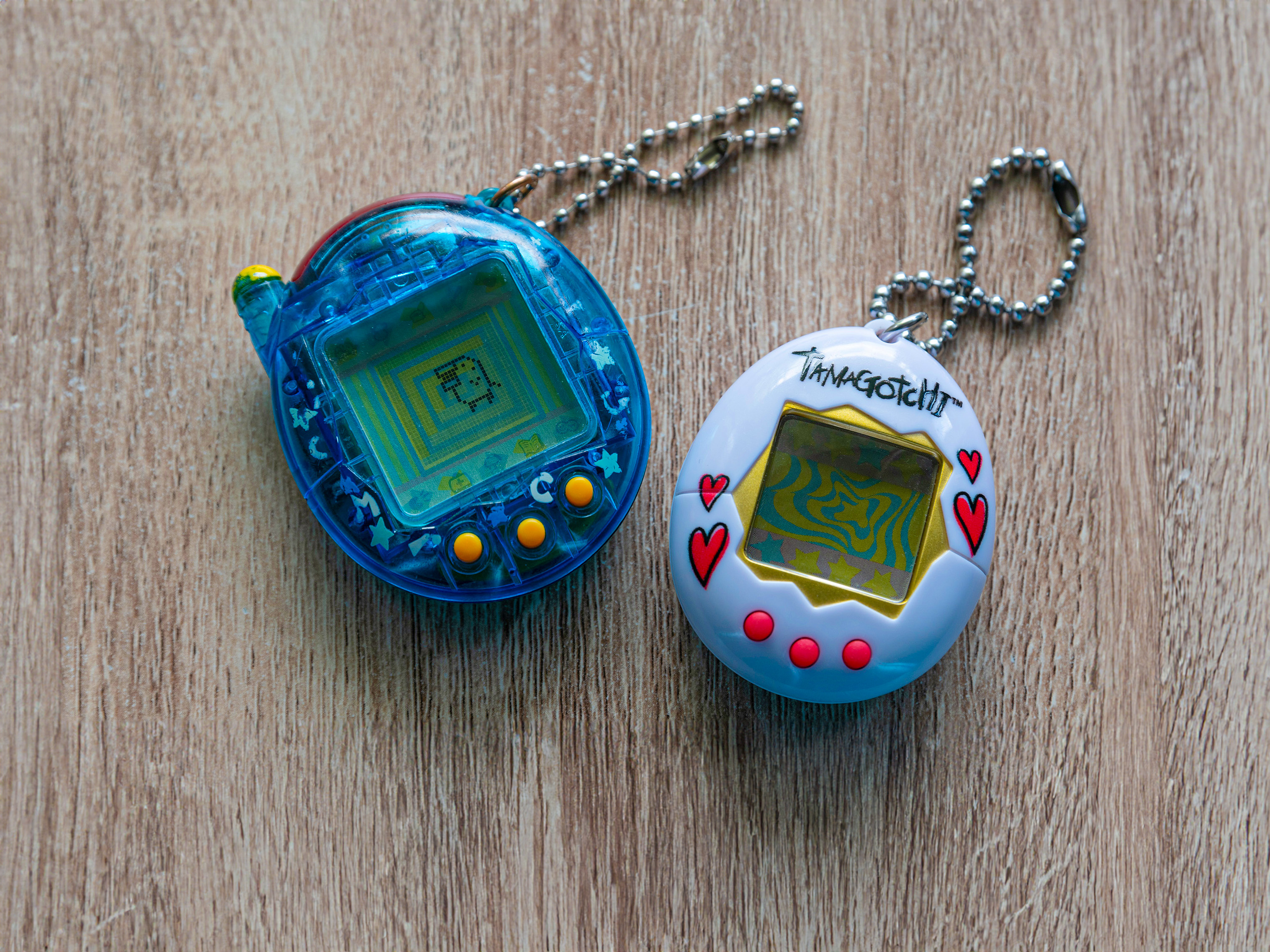
Read the article aloud on your own or repeat each paragraph after your tutor.How Tamagotchis Became More Than a ToyNearly 30 years after they first appeared, Tamagotchis — the tiny egg-shaped, three-button digital pets from Japan — continue to charm people around the world. Once a childhood obsession, they have grown into a global cultural icon, with more than 100 million units sold worldwide so far.
So what makes people press those three little buttons? According to mental health therapist Dr. Jessica Lamar, Tamagotchis appeal to our innate desire to nurture, connect, and care for others. "The act of caring for a digital pet also provides a sense of structure and routine, which can help reduce feelings of anxiety and stress," she said.
Tamagotchi's magic comes from its simplicity. You feed it, clean up after it, and play a quick game with it. In return, it thrives, responds, and even "talks back" in its tiny pixel way. As a result, you feel a sense of calm and even a feeling of accomplishment.
These emotional benefits were part of the original design. Tamagotchis were created by Japanese designer Akihiro Yokoi, who imagined a pet you could carry anywhere. Instead of realistic graphics or long stories, the device focuses on behavior. Ignore it, and it gets sick or dies. Care for it, and it grows.
For many adults, that bond became especially meaningful during hard moments. William Maneja said rediscovering Tamagotchis helped him after losing his grandmother during the pandemic. "Taking care of my Tamagotchi helped me take care of myself."
Today's Tamagotchis have Wi-Fi, mini-games, and even babysitter modes. Fans trade rare models, customize shells, and meet both online and in person. Some of them even throw weddings for their virtual pets.
Yet the heart of the toy hasn’t changed. In a device small enough to fit in your palm, many have found something big: comfort, connection, and a reminder that care — even digital care — still matters.
Discussion
Have a discussion based on the following questions.- What are your thoughts on the lasting popularity of Tamagochis?
- Have you ever owned a Tamagotchi? How much time did you spend on it?
- Did you have a favorite toy when you were a child?
- Are any toys or games from your childhood still popular today?
- Do you know of any other toys or games that both kids and adults can enjoy?
Further Discussion
Have a discussion based on the following questions.- What devices do you usually play video games on?
- Do you tend to finish the games that you start, or do you lose interest easily?
- Did you prefer to play inside or outside as a kid?
- Did you have any pets growing up? Did you enjoy taking care of them?
- "Play is the highest form of research." — Albert Einstein. What do you make of this quote?