How Japan's Bear Problem Is Becoming a Food Story
Vocabulary
Article
Read the article aloud on your own or repeat each paragraph after your tutor.How Japan's Bear Problem Is Becoming a Food StoryWould you ever order bear for dinner? The idea sounds shocking, maybe even unthinkable. But across parts of northern Japan, more and more people are sitting down to eat bear meat — and the reason is a growing problem in the forests.
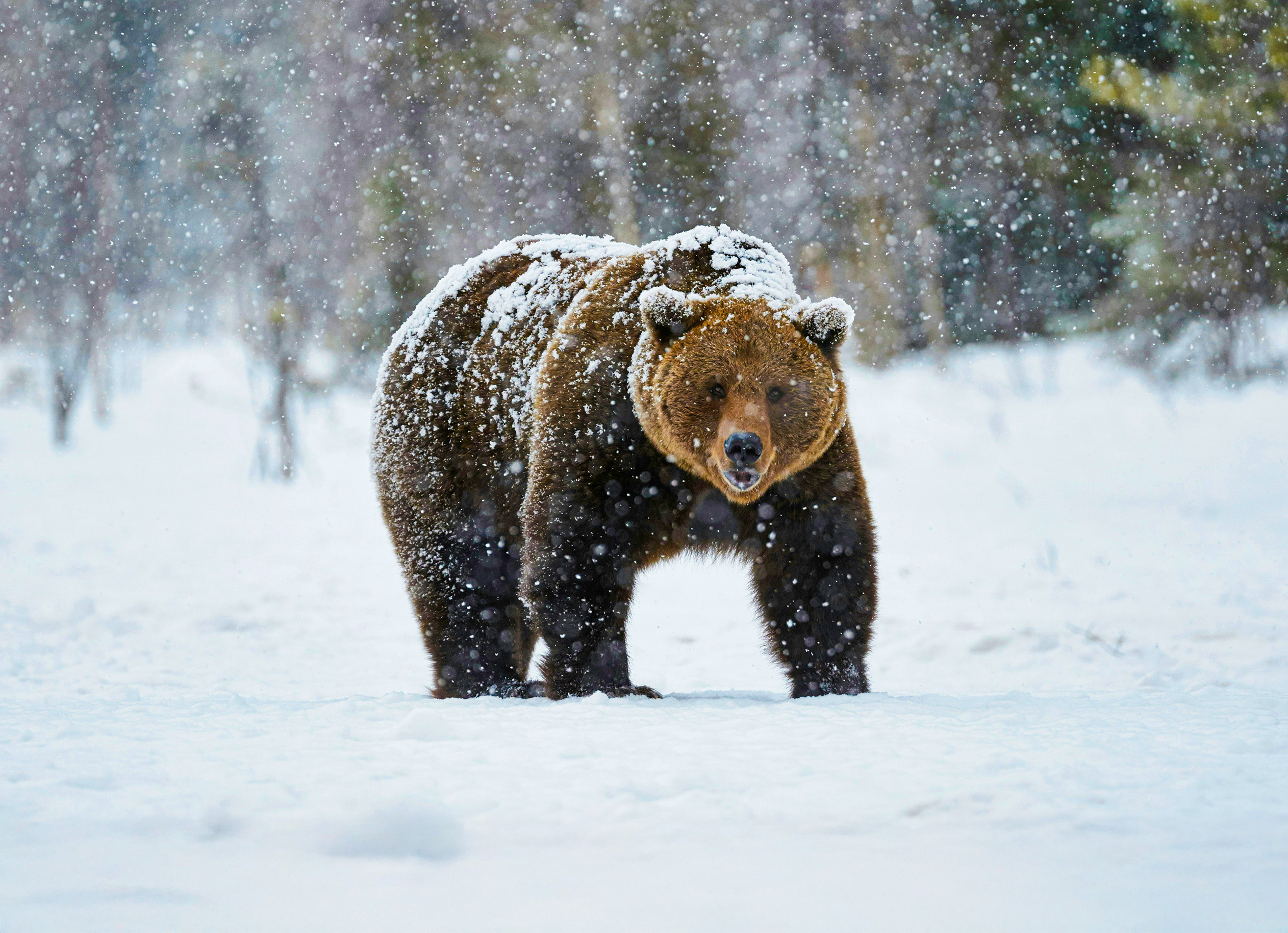
So far this year, 13 people have died in bear attacks — the highest number ever recorded in Japan. According to scientists, there are several reasons. Bear numbers are growing fast, many villages now have fewer people, and poor acorn harvests leave bears hungry.
As a result, bears have wandered into towns, broken into houses and shops, and even appeared near schools. To protect people, authorities have been forced to kill more bears than ever before. So instead of letting the meat go to waste, some hunters and restaurant owners decided to put it on the menu.
In the hilly city of Chichibu near Tokyo, Koji Suzuki runs a small restaurant, which serves deer and wild boar, but lately, bear meat has suddenly become the most popular dish. Suzuki, who is also a hunter, believes using the meat is the right choice, as it's also a sign of respect for the bear's life. "It's better to use the meat rather than burying it", he said.
His wife, Chieko, says the restaurant is busier than ever, and they often have to turn people away. In the past, bear was rarely ordered, but now, customers often wait weeks for a table. One lucky customer, 28-year-old composer Takaaki Kimura, tried it for the first time with friends. "I was a little scared," he said with a smile. "It’s so juicy, and the more you chew, the tastier it gets."
The government is now offering funding and support to control bear numbers, hoping bear meat can bring income to rural towns. Still, bear meat remains a rare and unusual dish, and no one knows how long this trend will last. But for now, Japan's bear crisis has created an unexpected story — one where fear, food, and survival meet at the dinner table.
Discussion
Have a discussion based on the following questions.- What are your thoughts on the rising popularty of bear meat in northern Japan?
- Would you be keen to try bear meat if it were available where you live?
- What's the most unusual food you've ever eaten?
- Are there any foods in your culture that visitors often find strange?
- How do you think Japan should deal with its growing bear problem?
Further Discussion
Have a discussion based on the following questions.- How common are bear sightings in your area?
- What's the first thing you'd do if you came across a bear in the wild?
- Have you ever had a close encounter with a dangerous animal?
- Have you ever been hunting? If so, please share your experience. If not, would you like to?
- Are there any animals in your country that are protected by law?