12-Year-Old Japanese Boy Skips School to Chase Esports Dream
Vocabulary
Article
Read the article aloud on your own or repeat each paragraph after your tutor.12-Year-Old Japanese Boy Skips School to Chase Esports DreamHomework, exams, and after-school activities — that’s what life usually looks like at 12. But one boy in Japan has chosen a very different focus: to become one of the best esports players in the world.
The boy, known online as "Tarou," recently decided not to continue with traditional junior high school after finishing elementary school. Instead, he plans to train full-time as a competitive gamer, with the support of his parents.
"This wasn’t a sudden decision," Tarou said in a social media post. "I talked with my family and school for a long time before choosing this path."
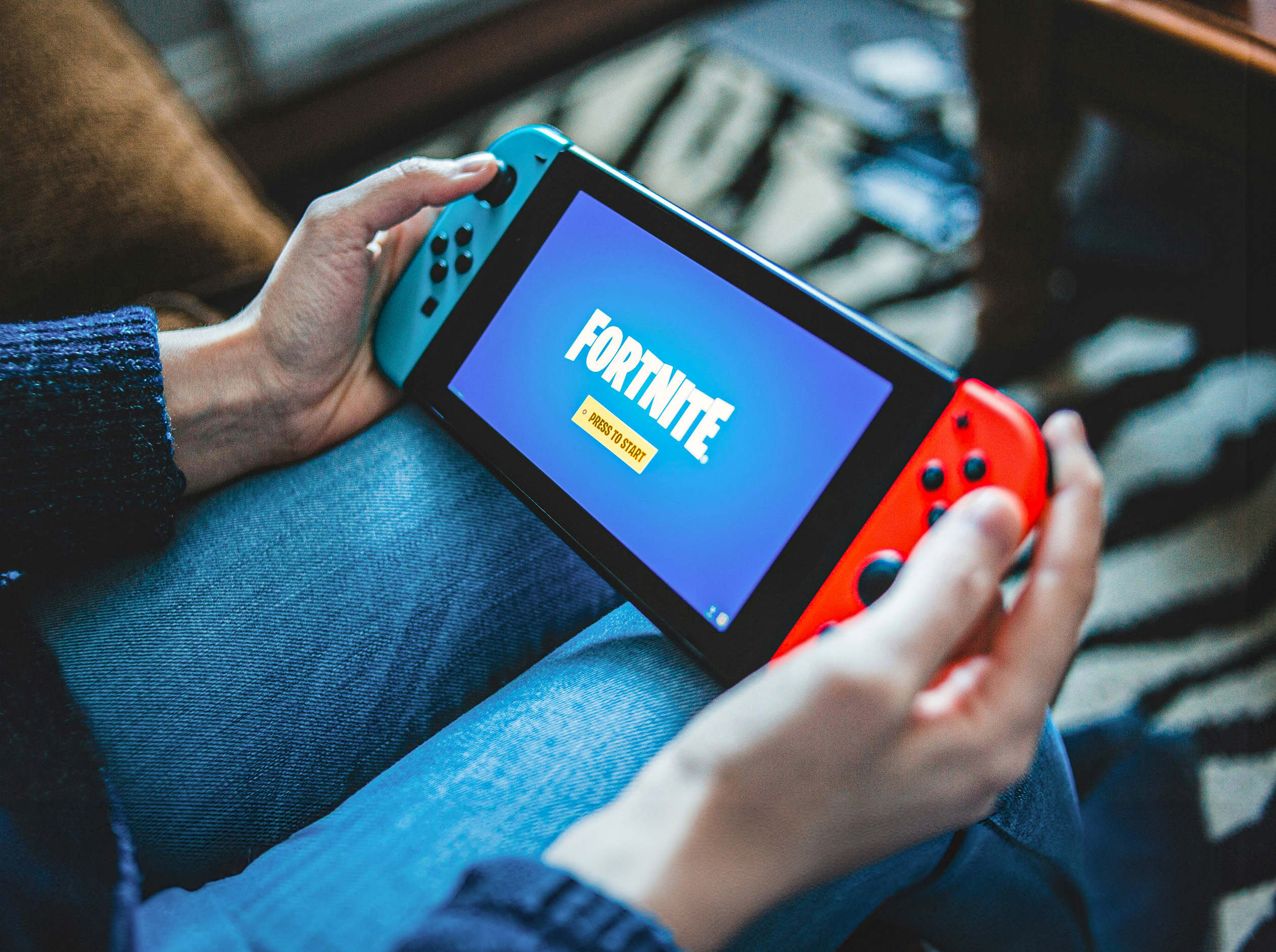
Tarou mainly plays Fortnite and other competitive online games that require fast thinking, teamwork, and long hours of practice. He now follows a daily schedule that includes gaming practice, physical exercise, and online study in subjects like math and English.
"At first, we were worried," his father said in an interview. "But Tarou is very serious about this. He wakes up early, trains hard, and takes responsibility for his time."
Esports has grown into a global industry worth billions of dollars, with professional players earning money from tournaments, sponsorships, and streaming. Major competitions attract millions of viewers online, and some young players become international stars.
Still, experts warn that this kind of path is not right for most children. "It requires strong support, emotional maturity, and a backup plan," said education expert Hiroshi Watanabe. "Success in esports is very rare."
Tarou understands the risks.
"If this doesn’t work out, I can always choose a different path later," he said. "But right now, I want to give this my best shot."
For now, his classroom is a screen, his teammates are online, and his goal is clear — to see how far this new kind of dream can take him.
Discussion
Have a discussion based on the following questions.- What are your thoughts on Tarou leaving junior high school to train for esports full time?
- Would you say 12 is too young to make a big life decision like this?
- Do you think Tarou's parents made the right choice to support his decision?
- How likely do you think it is that Tarou will succeed as a professional gamer?
- What important things do you imagine Tarou will miss out on by not going to junior high school?
Further Discussion
Have a discussion based on the following questions.- If your child wanted to become a professional gamer, would you support them?
- Are any of your friends or family into esports?
- Do you think people can learn useful skills from playing video games?
- Do you imagine esports will become more popular than traditional sports in the future?
- Which of your hobbies do you wish you could turn into a full-time career?