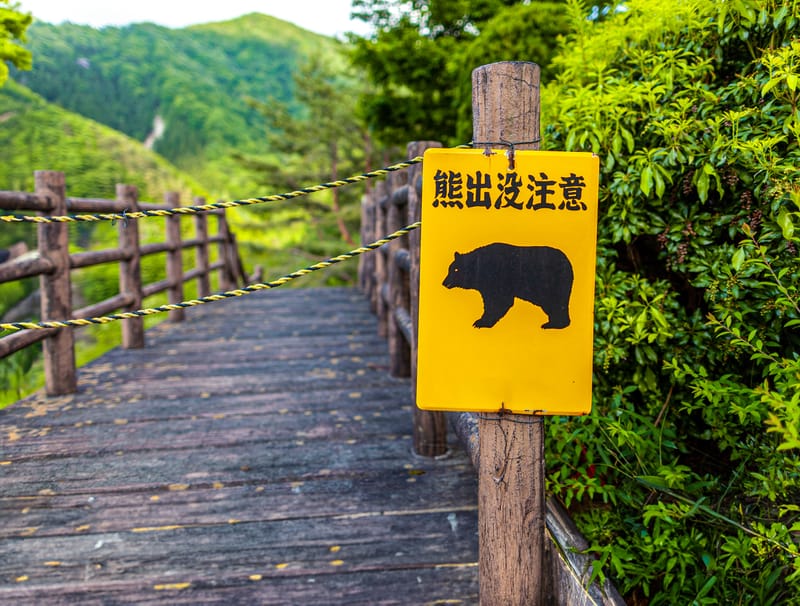
What to Do if You Meet a Bear in Japan
7
Advanced
Vocabulary
Repeat each word, definition, and example sentence after your tutor.
encounterNounɛnˈkaʊntər
a confrontation or struggle
I had a very close encounter with a snake while hiking the other day.
residentialAdjectiveˌrɛzɪˈdɛnʃəl
(of an area) having private homes
The developers say the new residential area will have 120 homes.
utility poleNounAmerican
juːˈtɪləti pəʊla tall pole used to hold electrical, telephone, or other utility wires above the ground
Our area has no electricity because a utility pole was knocked over during the storm. 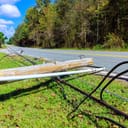
chaseVerbtʃeɪs
to follow someone or something and try to catch them or it
I had a terrible nightmare in which I was being chased by a giant spider.
sightingNounˈsaɪtɪŋ
an instance of seeing something, especially something unusual or rare
People say there has been a UFO sighting in Minnesota.
presenceNounˈprɛzəns
the state or fact of existing or being present
He didn't say anything, but acknowledged my presence with a small wave.
Article
Read the article aloud on your own or repeat each paragraph after your tutor.What to Do if You Meet a Bear in JapanJapan has experienced a sharp rise in bear attacks and encounters this year, with a record 12 people killed by bears.
And it's not just hikers being attacked in the mountains. A study by The Asahi Shimbun newspaper found that 66% of the 172 people hurt or killed by bears since April were in residential areas when they were attacked.
For this reason, local governments and Japanese media are offering advice on what to do if you meet a bear.
According to Miyagi prefecture's official website, if you see a bear, you should stay calm and back slowly and quietly away. Akita prefecture's website says it's also a good idea to move so something is between you and the bear, like a tree, a rock or a utility pole.
The important thing is not to run — this is more likely to make the bear chase you, and bears can run much faster than humans.
If attacked, the advice from Akita prefecture is to lie face down and cover the back of your neck with your hands. According to Miyagi prefecture, most bear attacks finish after one blow, so if you protect your head and neck you should survive.
Bear spray can help keep bears away, but the Miyagi website notes that it can be difficult to use, so the best thing is not to meet a bear at all!
NHK suggests looking at bear sighting maps, which are provided by local governments, so you can stay away from areas where bears are likely to be.
Hikers in Japan often wear a bell to warn bears of their presence and keep them away. But Shota Mochizuki of Fukushima University told TBS News Dig that it might be a good idea to wear many bells. This might make a bear think there are many people and not just one.
And because bears don't usually attack groups, staying with other people is also a good idea!
Discussion
Have a discussion based on the following questions.- What are your thoughts on the rise in bear attacks in Japan?
- Do you think you'd be able to stay calm if you encountered a bear?
- Have there been any bear sightings close to where you live?
- Would you consider hiking in an area where bear sightings are common?
- Have you had any close encounters with dangerous animals?
Further Discussion
Have a discussion based on the following questions.- Is your area home to any scary or dangerous animals?
- What animals would you be most afraid to encounter in the wild?
- Have you ever traveled somewhere specifically to see wildlife?
- What parts of your country are best for seeing wildlife?
- The more one understands animals, the more one appreciates them as companions. — Jane Goodall. What do you make of this quote?