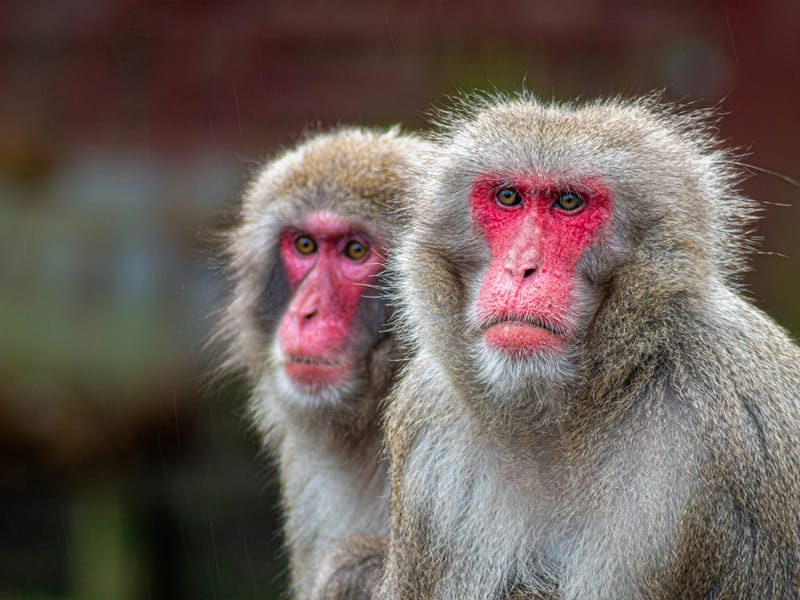
The People Chasing Monkeys Out of Japan's Villages
8
Advanced
Vocabulary
Repeat each word, definition, and example sentence after your tutor.
monetaryAdjectiveˈmɑ:nəˌtɛri
relating to money
These old toys might have little monetary value, but they still mean a lot to me.
squadNounskwɑːd
a small group of people that have a particular task
In just a few minutes, the rescue squad freed the man from the wrecked car.
nutritiousAdjectivenuːˈtrɪʃəs
(of food) containing many substances that are good for the body
Avocados are highly nutritious and are rich in potassium and magnesium. 
mischievousAdjectiveˈmɪstʃəvəs
enjoying playing tricks on people and doing things to annoy them
Coco is a very mischievous dog and even chewed a hole in our sofa.
cullVerbkʌl
to kill a number of a particular type of wild animals to reduce their population
Culling is one method used to control deer populations in New Zealand.
vegetationNounˌvedʒəˈteɪʃn
plants considered as a group, especially those found in a particular area
Hawaii's unique vegetation includes more than 1,000 species of plants.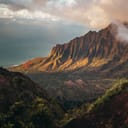
Article
Read the article aloud on your own or repeat each paragraph after your tutor.The People Chasing Monkeys Out of Japan's VillagesIn the foothills of Japan's Northern Alps, people are chasing monkeys.
Wearing bright orange vests, the humans ring bells, blow whistles and hit rocks and trees with walking sticks as they walk.
Using GPS trackers, they follow the monkeys' movements and send radio messages to let others know when they're close to an animal.
The aim is to push the monkeys back into the mountains and away from farms and homes.
The monetary damage caused by monkeys is relatively minor, compared to losses from boar, deer and crows. But the monkeys are increasingly a bother for people on farms and in neighborhoods near the mountains. They break into homes, steal food and ruin crops.
In the city of Azumino, a monkey-chasing squad has been put together. This squad includes about 50 paid, part-time workers who try to control the monkeys.
"We're just returning them to where they're supposed to be," said Masaya Miyake, who leads the squad. "Naturally, the food in the village is more nutritious and tastier. They're not simply being mischievous; they're just coming down to eat."
The squad works all year round. But despite the group's efforts to keep the monkeys away from towns and villages, calls to cull large numbers of monkeys are growing.
Yoichi Tsujitani from the Azumino city council estimates it would take two to three years to remove monkeys entirely from areas near humans.
But Shigeyuki Izumiyama of Nagano's Shinshu University says that culling the monkeys is not the answer.
He thinks that better ideas include clearing vegetation near farms, identifying the location of monkeys with GPS collars and installing electric fences.
For now, keeping the monkeys away is a constant battle.
At a forest shrine, Miyake's squad took a short break. Within minutes of being chased away, the monkeys returned to the shrine roof to watch the humans below!
Discussion
Have a discussion based on the following questions.- What are your thoughts on Azumino's monkey-chasing squad?
- Have you ever seen monkeys in the wild? If so, when and where?
- Do wild animals ever cause problems where you live?
- What are some of your country's most dangerous animals?
- Have you had any close encounters with a dangerous animal?
Further Discussion
Have a discussion based on the following questions.- What types of wild animals are common where you live?
- What places in your country have the best wildlife?
- Have you ever traveled somewhere specifically to see wildlife?
- Are there any animals you dislike or are afraid of?
- We don't own the planet Earth, we belong to it. And we must share it with our wildlife. — Steve Irwin. What do you make of this quote?