Japan Turns to Bodybuilders to Fill Caregiving Jobs
7
Advanced
Vocabulary
Repeat each word, definition, and example sentence after your tutor.
caregiverNounAmerican
ˈkerɡɪvəra person who regularly looks after a child or person who is sick, elderly, or disabled
As my mom's health declined, I became her full-time caregiver.
balanceVerbˈbæləns
to make different things exist in good or correct amounts
It can be difficult to balance the demands of work and family life.
appealingAdjectiveəˈpiːlɪŋ
interesting or attractive
The idea of working from home does sound appealing, but I don't think I want to leave my current job.
subsidyNounˈsʌbsədi
a gift or payment of money
The company offers a mortgage subsidy as part of its benefits package.
perkNounpərk
a benefit one receives as part of one's job; an advantage or benefit
Having a company car is one of the perks of my job.
more than meets the eye Phrasemɔːr ðən miːts ði aɪ
more to someone or something than there appears to be
Amy is very quiet, but there's more to her than meets the eye.
Article
Read the article aloud on your own or repeat each paragraph after your tutor.Japan Turns to Bodybuilders to Fill Caregiving JobsJapan Turns to Bodybuilders to Fill Caregiving Jobs
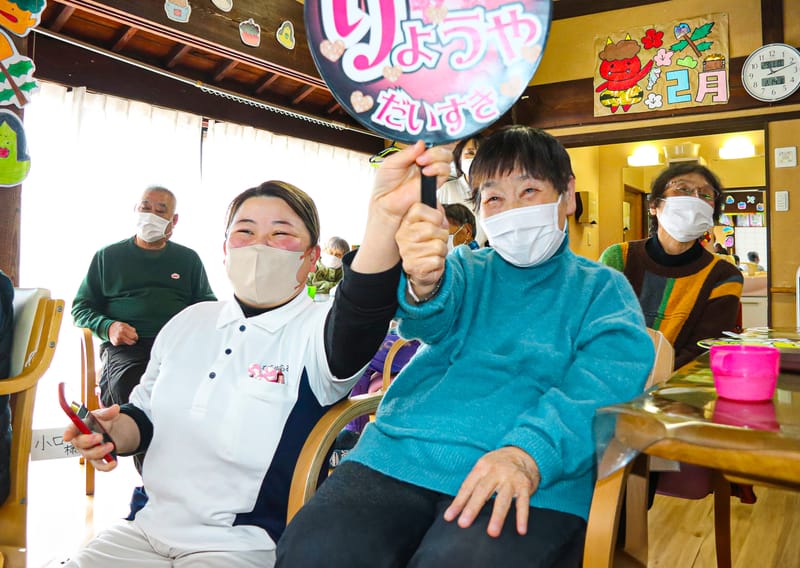
Japan is in need of more caregivers, and one company has found an unexpected solution: bodybuilders.
Around 100,000 people in Japan leave their jobs every year to care for family members, and another 300,000 will balance careers and caregiving by 2030, according to government data.
Being a caregiver is not easy work. It often means lifting people, washing them and helping them move, and many care workers say it can be tiring for both the body and the mind.
Still, the pay is low, and the hours are long. And in Japan, caregiving is often seen as a woman's job, which makes many young men stay away from the industry.
Because of this, most care workers are women. In fact, women — mostly aged 40 or over — make up more than 70% of care workers, according to labor ministry data.
Yusuke Niwa, 40, remembers when he started as a young male caregiver nearly 20 years ago.
"I stood out a lot for being male and young," he told AFP.
When he later became the CEO of a care company called Visionary, he wanted to change how people see care work, and make it more appealing to young men.
The company offers free gym access and subsidies for protein shakes to its employees, and some roles even include two hours of paid gym time each day as a perk. Niwa says the idea has helped attract new workers to the caregiving industry, especially young men who might not have thought about caregiving before.
At a care home near Nagoya, former fitness trainer Takuya Usui now uses his big arms to help residents eat, move and live more comfortably. For him, what began as a way to stay fit has become something deeper.
"I've learned there's more to caregiving than meets the eye," he told AFP.
Discussion
Have a discussion based on the following questions.- What are your thoughts on making caregiving more appealing to men?
- What do you imagine are the most challenging things about being a caregiver?
- Have you had any jobs that were mentally and physically demanding?
- What do you think are some of the most underpaid jobs in your country?
- Are there any jobs you think are underappreciated in your country?
Further Discussion
Have a discussion based on the following questions.- What are some of the main perks of your job?
- Are there any jobs you think you'd be good at?
- What are some jobs you could never see yourself doing?
- Do you think it's important to have a job that's fulfilling?
- Do you know anyone who loves their job?