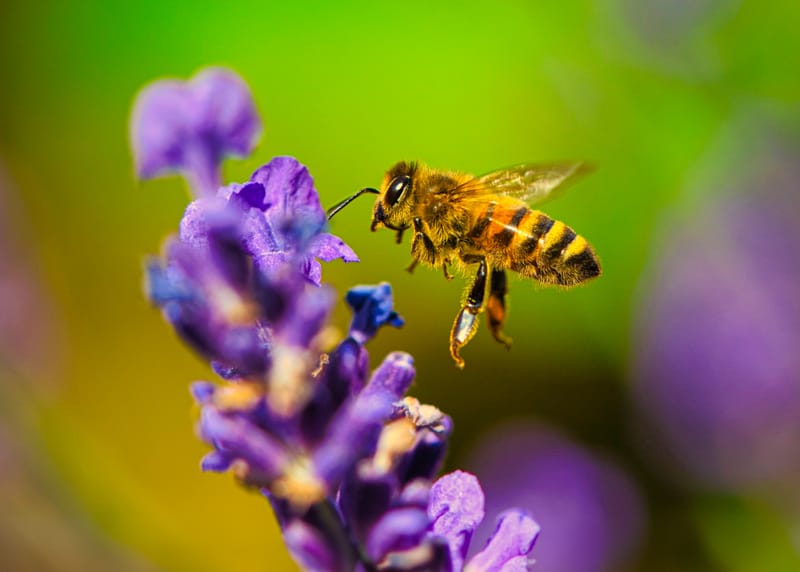
Europe's Wild Honeybees Now Endangered
8
Advanced
Vocabulary
Repeat each word, definition, and example sentence after your tutor.
statusNounsteɪtəs, stætəs
the official legal position of a person or thing that determines their rights and responsibilities
The new law gives a number of endangered bird species protected status.
safeguardVerbˈseɪfˌgɑːrd
to take measures to protect from harm, damage, etc.
Many businesses hire cybersecurity experts to help safeguard their customers' personal information.
biodiversityNounˌbaɪəʊdaɪˈvɜːrsəti
the different types of plant and animal life in the world or an area
Stopping deforestation is key to preserving the biodiversity of the Amazon rainforest.
ecosystemNounˈɛkoʊˌsɪstəm
all of the living things in a particular area and their relationship to each other and the environment
The Exxon Valdez oil spill caused significant damage to the marine ecosystem in Alaska.
pollinateVerbˈpɑːləneɪt
to take pollen from one plant to another so that it produces seeds
Bees play a crucial role in our ecosystem by helping to pollinate plants and crops.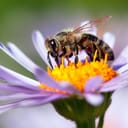
silver liningPhraseˈsɪlvər ˈlaɪnɪŋ
a positive or hopeful aspect of a difficult or unpleasant situation
I was devastated when I lost my job, but the silver lining was that it pushed me to start my own business.
Article
Read the article aloud on your own or repeat each paragraph after your tutor.Europe's Wild Honeybees Now EndangeredEurope's Wild Honeybees Now Endangered
Bees are said to contribute at least $25 billion to the European agriculture industry every year. But many of these insects are under threat.
The wild western honeybee is now considered to be endangered in the European Union (EU). This only applies to wild honeybees — the domestic honeybee is not endangered.
But the International Union for Conservation of Nature (IUCN) added the wild western honeybee to its "red list" of threatened species earlier this year. A species gets that status when it has a very high risk of extinction.
And the wild honeybee is not alone. There are more than 170 species of bee that are at a high risk of extinction in Europe, according to the IUCN.
Experts say that protecting wild honeybees is about more than just saving species. Zoologist Arrigo Moro, from a group called Honey Bee Watch, said: "It's about safeguarding our food security, biodiversity and ecosystems for the future."
In other words, this is bigger than bees.
If we lose bees and other pollinators like butterflies, which are also under threat, we also risk losing the flowers and plants — including food plants — that they pollinate.
There are a number of reasons why the wild bee population is decreasing, but climate change is among them. A warming planet has made events like droughts and wildfires more common, and these threaten the bees' existence.
Farming practices contribute to their endangered status too, say experts.
But there may be a silver lining to this new status, said the Native Irish Honey Bee Society. It believes that the status should act as a warning to governments that more must be done to protect these species.
Jessika Roswall, who works for the EU, said that "urgent and collective action" is needed to tackle the threat to pollinators.
And there are changes that many of us can make to help the bees. For example, planting flowers and letting gardens go a little bit wild can make a difference.
Discussion
Have a discussion based on the following questions.- What are your thoughts on the wild western honeybee being listed as endangered in the EU?
- Do you think it'll be possible to reverse this trend?
- Is your country home to many endangered species?
- What species native to your country is climate change expected to have a major impact on?
- Do you expect the number of endangered species to increase or decrease over the next few decades?
Further Discussion
Have a discussion based on the following questions.- Who are the most environmentally conscious people you know?
- Has your country successfully tackled any environmental problems?
- Do you think your government is doing enough to fight climate change?
- How optimistic are you about the fight against climate change?
- In nature, nothing exists alone. — Rachel Carson. What are your thoughts on this quote?